“Life is not only about surviving. It is about learning how to remain deeply alive, even in suffering.”
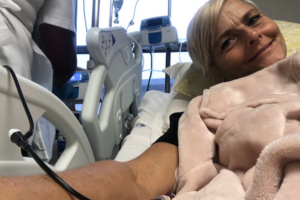
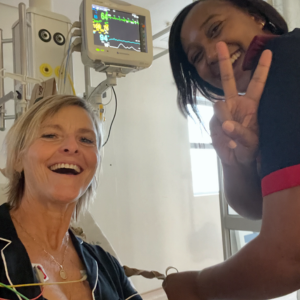
My name is Joanna Starr Gibson, and I live in South Africa. I was diagnosed with Variegate Porphyria after nearly a decade of severe symptoms, misdiagnosis, repeated hospitalizations, and fighting for my life while not understanding what was happening to my body.
I grew up in Rhodesia, now Zimbabwe, on a sugarcane farm next to a game reserve. My childhood was wild and beautiful. My brother and I spent our days outdoors in the African sun, swimming for hours, climbing trees, exploring nature, and living barefoot in the heat and freedom of Africa. But even as a child, there were signs that something was different about me. After long days in the sun, I would become violently ill. I would vomit, blister, and end up in bed for days while doctors called it “sunstroke.” My brother, exposed to the exact same conditions, would be completely fine.
I also had unusual reactions to medications growing up. As a child in Zimbabwe, I was treated for bilharzia with one of the older medications available at the time, likely Niridazole (Ambilhar), which is now recognized as unsafe in porphyria. I became severely ill afterward, hallucinating severely, vomiting continuously, and missing nearly a month of school. Looking back now, I often wonder whether the medication was triggering an underlying porphyria vulnerability long before I was formally diagnosed decades later.
As a teenager and young adult, I stabilized somewhat. I was athletic, energetic, and deeply connected to nature. I loved the ocean, mountains, hiking, marathons, and sunshine. I became a personal trainer and interior decorator, had four beautiful children, and continued living an active life. But even then, my body often felt “different.” I now realize that I was likely living with underlying porphyria long before diagnosis.
Everything changed in my late thirties. At around 39 years old, I began developing strange neurological symptoms — numb hands and feet, tunnel vision, crushing exhaustion, bone pain, burning sensations, nausea, adrenaline surges, insomnia, and episodes where I felt as though my body was shutting down. I would fall asleep on the floor from exhaustion after work. At night, I would wake like a zombie and pour sugar over cereal, mechanically eating spoonfuls of sugar because my body desperately craved carbohydrates, though I did not understand why at the time.
I was eventually tested for Lyme disease and co-infections in South Africa and began aggressive antibiotic and alternative protocols. At this point, I still did not know I had porphyria. I underwent years of fasting retreats, water fasts, juice cleanses, parasite cleanses, rife therapy, herbal protocols, colonics, detox programs, and expensive alternative treatments around the world — all while becoming progressively sicker.
Three months into one intensive protocol, I ended up critically ill in ICU. My potassium crashed, my heart rhythm destabilized, and I eventually required a pacemaker after developing severe conduction abnormalities. Looking back now, I understand that many of the medications, fasting protocols, detoxes, and physiological stressors were likely triggering severe porphyria attacks.
For years, I kept searching for healing while my body continued collapsing. I had my breast implants removed after learning that implants are now considered possibly insafe. I underwent repeated dental surgeries and jawbone scraping due to recurrent abscesses. I traveled internationally chasing treatments and hope. I went to Thailand for fasting retreats where everyone else seemed to improve while I deteriorated further. I even traveled to Brazil seeking healing through spiritual communities because I was so desperate to survive.
All the while, I was ending up in hospital more and more frequently.
One major turning point came after a holiday in Cape Town. I had spent time hiking, exercising, drinking wine socially, and enjoying the sun — things I loved deeply. By the end of the trip, I developed severe blistering on my hands and feet and became critically ill again. During that hospitalization, my specialist ordered porphyria testing. A few days later, he walked into my room and asked me if I knew what porphyria was. I said no. He replied, “Well, you have it.”
That diagnosis changed my life.
I was eventually diagnosed with Variegate Porphyria, one of the acute hepatic porphyrias, which is particularly significant in South Africa due to the R59W founder mutation that exists in our population. Yet despite this, awareness remains extremely poor here. Patients are frequently misdiagnosed, dismissed, gaslit, or denied treatment.
By the time I was diagnosed, I had already accumulated years of damage. I developed chronic neuropathy, numbness, burning pain, restless legs, autonomic dysfunction, endocrine instability, and repeated severe attacks. I lost sensation in parts of my face, lips, fingers, and hands. Even typing on my phone became difficult because my fingertips were numb. My body temperature swung unpredictably. I experienced episodes of slurred speech, weakness, severe bone pain, insomnia, and terrifying attacks where it felt like my nervous system was on fire.
Fighting for treatment in South Africa became another battle entirely. I spent years advocating for access to Normosang. Despite having clear biochemical evidence and classic symptoms of Variegate Porphyria, I faced resistance from medical systems and medical aids. I eventually had to change medical aid schemes completely after years of fighting to access treatment.
When I finally began receiving Normosang, I unfortunately reacted severely to it. Every PICC line or central line led to complications including DVTs, sepsis, erythema multiforme, and ICU admissions. I now live with the long-term consequences of years of repeated attacks, medical trauma, infections, endocrine collapse, and chronic smouldering porphyria.
But somewhere within all of this, something else happened too. I changed.
This illness stripped my life down to its foundations. There were times I truly believed I was dying. There were times I lost hope completely. But my will to live — for my children, my grandchildren, my husband, and for life itself — kept pulling me forward.
Today, I live a very quiet life in Clarens in the Free State of South Africa, where I retreated after my last major hospitalization. I still have difficult days. I still live with chronic symptoms. I still react to stress, chemicals, medications, certain herbs, diesel fumes, paints, smoke, and even excitement itself. I have had to learn that things I loved deeply — like intense sun exposure, over-exercising, fasting, and pushing my body — can trigger my illness. That acceptance has been devastating at times, but it has also taught me profound reverence for life.
I now focus on stabilizing my body gently through high carbohydrate nutrition, electrolytes, antioxidant-rich juices, smoothies, grounding foods, stress reduction, nervous system regulation, and learning how to support my body instead of fighting it. I eat potatoes, sweet potatoes, pumpkin, lentils, vegetables, fruits, honey, smoothies, juices, and mineral-rich foods to keep my heme pathway as stable as possible. I continue to study medical literature extensively because self-education became essential to my survival. Everyday is a struggle honestly and the pain and exhaustion are intense sometimes. Porphyria can affect multiple body systems and that’s what has happened to me. The pain, suffering and “Loss of a life I once knew” is often daily in some form or other. It can be very isolating as not many friends or family realise the enormity you face each day or what you go through and it’s hard for them to try and understand because they are not living it. I have learnt to let go of trying to make people understand but it can be frightening when you step back from expressing how you feel all the time that’s why I rely on so many support groups because it’s us porphyrics that understand each other and gives me a platform to vent or share symptoms etc and possible helpful insights.
Most importantly, I advocate for awareness. I want doctors to understand that porphyria patients are often dismissed for years while accumulating irreversible damage. I want earlier diagnosis, more compassionate care, greater awareness of dangerous medications and triggers, and better access to treatment for patients worldwide — especially in South Africa where Variegate Porphyria is historically significant yet still poorly recognized.
Every delayed diagnosis has a cost. Every missed attack matters. Every patient deserves to be believed.
Despite everything, I still climb mountains when I can that’s my free spirit in me that refuses to give up on all the things I love and being in nature is soul food for me I just have to be careful now with the intensity and make sure I carb load and walk with an electrolyte mix..I still sit in nature again to feel alive. I still find beauty in small moments. And perhaps the greatest thing this illness has taught me is this:
Life is not only about surviving. It is about learning how to remain deeply alive, even in suffering.